Trying to decide which side of Plano fits your day-to-day? You might be picturing leafy streets and a neighborhood coffee shop, or maybe a condo above date‑night restaurants and glowing plazas. Plano offers all of that, plus newer suburban pockets where weekends revolve around the community pool and wide trails. In this guide, you’ll see how life feels in East, West, and the spaces in between so you can choose a neighborhood that matches your routines. Let’s dive in.
How Plano clicks day to day
Plano is a suburban city with several activity centers rather than one central downtown. Major corridors shape daily life: Central Expressway (US‑75) runs north–south, while the President George Bush Turnpike clips the southern edge. Most trips are by car, though parts of the city are served by rail and bus. Your experience will hinge on where you live relative to highways, mixed‑use hubs, and neighborhood parks.
East Plano and Historic Core
Streets and scenery
In older, historic pockets near the core, you’ll find mature trees, sidewalks, and homes with character. Streets feel intimate, with porches and smaller lots that invite evening strolls. Haggard Park anchors the Historic Downtown area with green space and community events. It’s the kind of setting where a morning walk for coffee becomes part of your routine.
Food and downtime
Dining skews local and independent here. You can expect cafés, small restaurants, and a casual evening scene with pubs and occasional live music. Weekends bring steady foot traffic around the historic blocks, with family‑friendly options close at hand. It’s a laid‑back, main‑street vibe that rewards walking between spots.
Getting around
Living near US‑75 shortens your on‑ramp time for regional drives. Some pockets sit within reach of rail and bus service, which can create alternatives for commutes toward Dallas. Trips for groceries or school are usually car‑based, but being close to the historic core cuts errand time. Nights tend to be calmer once businesses close, aside from event evenings.
Homes and housing feel
Housing stock skews older: bungalows, ranch homes, and early brick suburban houses with incremental upgrades. Lots are often smaller, balanced by mature landscaping and shade. You’ll also see ongoing remodeling and, in select spots near transit or mixed‑use nodes, infill townhomes. Character and walkability stand out compared with newer subdivisions.
Lifestyle fit
Choose this area if you value an established neighborhood pattern, a short walk to casual dining, and the charm of older homes. It suits buyers who prefer trees and sidewalks over cul‑de‑sacs and who enjoy community events at a local park. Daily life feels neighborly and close‑in.
West Plano mixed‑use hubs
Streets and scenery
West Plano concentrates much of the city’s mixed‑use energy. Legacy West and nearby hubs cluster offices, restaurants, and residences around pedestrian‑friendly plazas. Expect programmed green spaces, outdoor seating, and evening lights that keep the area lively. The setting is designed for short walks between a latte, lunch, and late‑night dessert.
Food and downtime
This is where you’ll find higher‑end and trend‑forward dining, concept restaurants, rooftop spots, and al fresco patios. After‑work crowds and weekend meetups create a steady buzz. Shopping and services sit steps from residences in these nodes, which makes spontaneous plans easy. It’s social, convenient, and built for people who love being out.
Getting around
You’ll still drive for many trips, but living in a mixed‑use district reduces car time for weeknight errands. Parking is typically in garages or structured lots, with some on‑street spaces. Proximity to tollways and arterials helps regional commutes, though traffic peaks are predictable near office clusters. Nights are energetic, especially Thursday through Saturday.
Homes and housing
Expect newer mid‑rise and low‑rise apartments, condos, and townhomes, including some live‑work setups. Private outdoor space is smaller, but you trade that for walkability and built‑in amenities. Transitional areas on the edges blend older single‑family lots with new infill. Vertical living is the hallmark here.
Lifestyle fit
Pick this if you want to step out for coffee, dinner, and entertainment without planning a drive. It fits professionals who value a quick walk to evening options and are comfortable with a little more hustle and nighttime energy. Commutes vary by destination, so weigh highway access against the convenience of daily life on foot.
Newer suburbs in between
Streets and scenery
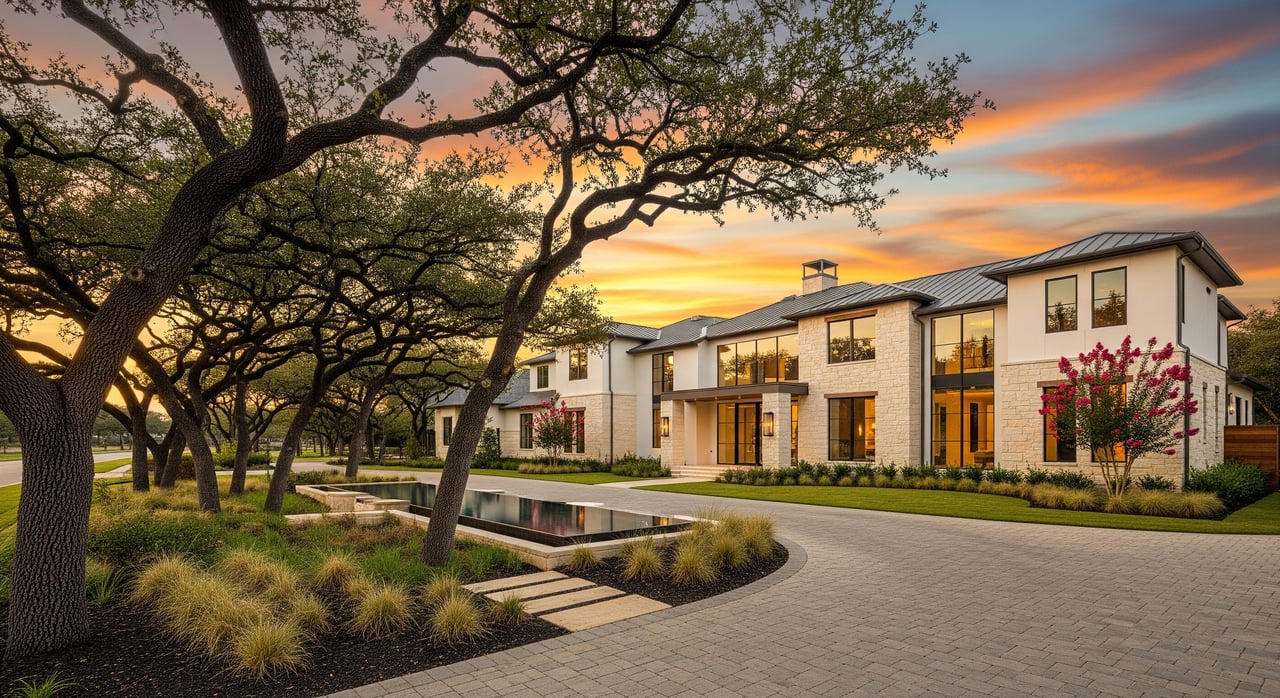
Beyond the mixed‑use nodes, Plano’s newer subdivisions offer wider streets, curving cul‑de‑sacs, and posted HOA entries. Community amenity centers, pools, and playgrounds are common, along with expansive trails for biking. Larger community parks and regional preserves sit on the edges for weekend hikes and open‑space time. The overall rhythm is family‑oriented and residential.
Food and errands
Daily shopping is straightforward, with neighborhood centers at major intersections and familiar national chains. You’ll likely drive to most errands, though clusters of services keep trips short. Weeknight dinners often revolve around convenient family restaurants close to home. It’s efficient and geared to routines.
Getting around
Driveway and garage parking are standard, and carpools are part of the weekday flow. Highway proximity shapes commute time, so look closely at your nearest on‑ramps. Morning and late‑afternoon peaks are the norm along major corridors. Most residents plan errands around those windows to save time.
Homes and housing
Homes here tend to be larger, with modern floor plans, open living, and multi‑car garages. Many subdivisions include HOA rules and shared amenities. Yards are bigger than in older neighborhoods, which suits outdoor play and weekend barbecues. New‑construction and master‑planned options appear in select pockets.
Lifestyle fit
Choose this if you want space, community amenities, and a calm residential setting. It’s well‑matched to routines that include school drop‑offs, youth sports, and bike rides on neighborhood trails. The trade‑off is more car time, balanced by at‑home comfort.
Blended routines across Plano
Many households mix these worlds. You might commute on US‑75, meet friends at a West Plano plaza after work, then spend Saturday morning at a large park or nature preserve. Plano’s layout lets you sample an urban‑lite evening and a suburban weekend without leaving the city. Think of it as building your own lifestyle blend.
Commutes and transit reality
Across Plano, most daily travel is by car, and commute times vary widely by time of day and destination. Living near a major corridor often shortens your on‑ramp time. Rail and bus service cover parts of the city and provide alternatives for certain routes, though coverage and frequency differ from dense urban grids. If transit matters to you, map station areas and test connections before you decide.
Tour Plano the smart way
Use this checklist to compare areas based on your real life, not just online photos:
- Walk the routes you’ll use daily, like morning coffee, groceries, a playground, or an evening bite.
- Drive your commute at realistic times, including rush hour and school drop‑off.
- Confirm school zoning and feeder patterns directly with the local school district.
- Review HOA documents for any target subdivision, including fees, amenity access, and architectural rules.
- Check floodplain maps and local drainage information if a home sits near a creek or low area.
- Look up transit routes and station locations if you want rail or bus access.
- Scan crime maps and local police neighborhood reports for a clear picture.
- Investigate planned developments or rezonings on city planning pages to understand future traffic and amenities.
- Rank your top lifestyle priorities, such as nightlife access, green space, school proximity, or highway access, and choose accordingly.
Quick neighborhood signals
- Mature trees, sidewalks, and smaller lots point to older homes and a walkable, established feel.
- Sidewalk‑lined plazas, outdoor seating, and stacked storefronts signal a restaurant‑centric, social lifestyle.
- Larger yards, cul‑de‑sacs, HOA signage, and amenity centers highlight a family‑focused suburban pattern.
- Expect peak traffic near major corridors and office parks; mixed‑use hubs are livelier at night and on weekends.
- In mixed‑use areas, plan for structured or paid parking; in suburbs, driveway and garage parking are the norm.
- City services and maintenance can vary slightly by neighborhood and association; verify with municipal pages and HOAs.
Next steps with our team
Choosing between East, West, or a suburban pocket comes down to how you want to live every day. We help you translate wish lists into a short list of neighborhoods, test commutes, and assess home options that protect your long‑term priorities. If you’re weighing older‑home character against mixed‑use walkability or backyard space, let’s talk through the trade‑offs and see homes that fit. Ready for a tailored, concierge plan? Connect with Hunter Realty Group and let’s get a coffee.
FAQs
What is daily life like in East Plano near the historic core?
- Expect mature trees, sidewalks, local cafés, and a calmer, main‑street rhythm with neighborhood parks and short walks between casual spots.
What should I know about living near Legacy West?
- You’ll be close to offices, restaurants, and plazas, with evening energy, walkable errands, and structured parking typical of mixed‑use districts.
How car‑dependent are newer Plano subdivisions?
- Most errands and school trips are car‑based, with driveway and garage parking standard; highway proximity heavily influences commute times.
How does transit factor into a Plano commute?
- Parts of Plano are served by rail and bus, which help for certain routes, but overall coverage and frequency differ from dense urban systems.
What housing types can I expect across Plano?
- Older areas have bungalows and ranch homes, mixed‑use hubs offer condos and apartments, and newer suburbs feature larger single‑family homes.
How should I compare school options when moving to Plano?
- Check attendance zones and feeder patterns directly with the local school district and consider proximity to your daily routes when you tour.
What should I review about HOAs and nearby land use?
- Read HOA rules and fees, confirm amenity access, and review city planning pages for any nearby projects that could affect traffic or services.