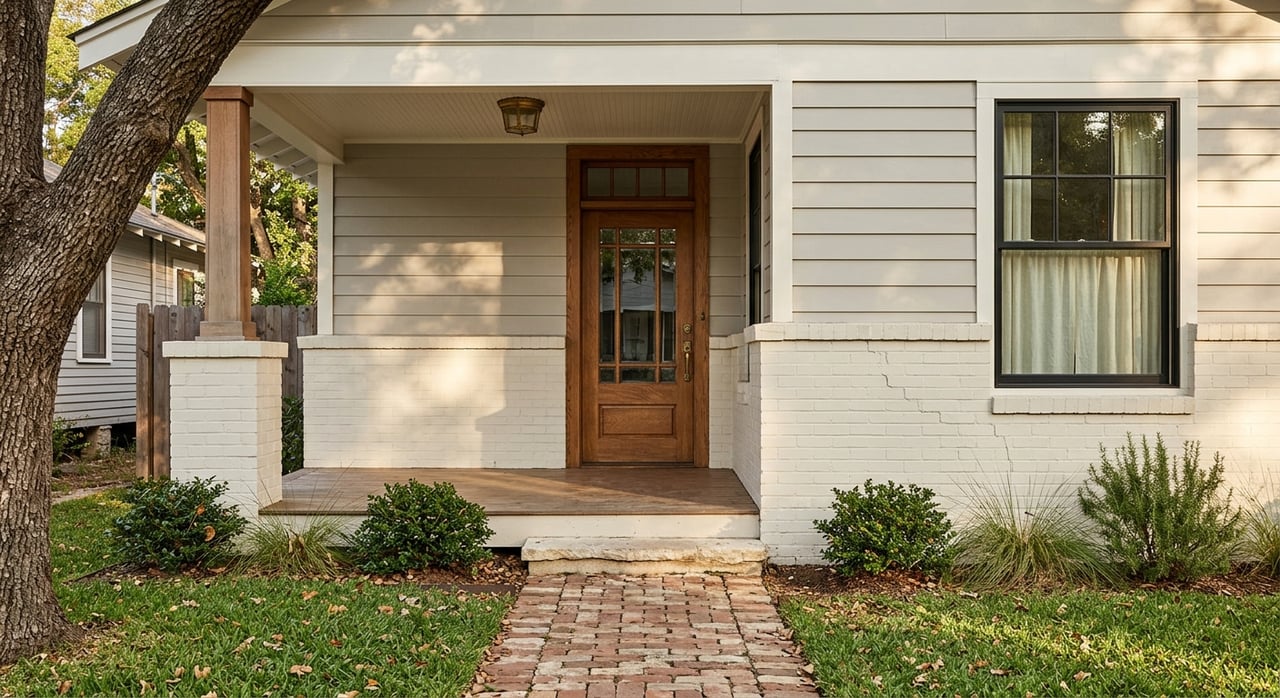
Trying to choose between a newer home and a historic one in McKinney? You are not just comparing floor plans or finishes. You are choosing between two very different ways of living, each with its own rhythm, rules, and daily conveniences. If you are weighing charm against turnkey ease, this guide will help you understand how McKinney’s historic districts compare with newer master-planned communities so you can make a confident decision. Let’s dive in.
Two Sides of McKinney Living
McKinney offers two distinct housing experiences. On one side, you have the historic downtown and nearby historic residential areas shaped by preservation standards and a pedestrian-oriented town center. On the other, you have newer master-planned communities such as Trinity Falls and Painted Tree, plus established examples like Craig Ranch, where amenities and association governance play a larger role.
That difference matters because your day-to-day experience can feel completely different depending on where you buy. One setting leans into older architecture, walkability, and established streets. The other is built around large-scale planning, newer housing options, and community amenities.
Historic District Homes in McKinney
What the historic area feels like
Downtown McKinney is one of the oldest thriving historic downtowns in Texas. The area includes more than 120 unique shops and over two dozen restaurants, along with arts, festivals, sidewalk cafés, patios, and parklets.
If you like the idea of being near dining, events, and local businesses, this part of McKinney stands out. The city’s Town Center framework is compact and pedestrian-oriented, which supports a more walkable lifestyle than many suburban neighborhoods.
How historic neighborhoods are laid out
The Historic Town Center includes mixed-use buildings where housing can sit above storefronts. Buildings often rise two or more stories, which creates a more active street feel and a more urban pattern than a typical subdivision.
The surrounding historic residential areas are different from the core downtown blocks, but they still carry a distinct character. The city describes these neighborhoods as medium-lot, single-family detached areas where many of McKinney’s oldest homes are located.
What ownership can involve
Historic homes often come with more oversight on exterior changes. In McKinney’s Historic Overlay District, a Certificate of Appropriateness is required before visible exterior work such as new construction, additions, material changes, or demolition.
That does not mean every repair is complicated. Ordinary maintenance is generally allowed when the work does not change the structure, materials, or features, and the city encourages preservation of original windows, siding, and doors.
Why some buyers love historic homes
Historic district homes can be a strong fit if you value architectural character, established streets, and close access to downtown activity. For many buyers, the draw is not just the house itself. It is the setting around it.
You may appreciate the sense of place that comes from older homes and a long-established neighborhood pattern. If you want a home that feels connected to McKinney’s past and puts you near the city’s downtown energy, the historic side of town may feel like the right match.
Newer Builds in McKinney
What newer communities offer
McKinney’s newer neighborhoods are often organized as master-planned communities. Trinity Falls spans 2,000 acres and includes a 350-acre natural park, wooded river frontage, trails, and several amenity hubs. Painted Tree is designed as a trailside community near downtown McKinney with three districts, about 200 acres of open space, and a 20-acre lake.
Craig Ranch provides another example of the master-planned model. It includes more than 400 acres of green space, trails, and a broad community association structure.
How newer neighborhoods are designed
Compared with historic areas, newer communities usually offer a more standardized layout and broader product mix. Trinity Falls includes 40-foot and 50-foot homesites, townhomes, and a 55+ section. Painted Tree includes single-family homes, townhomes, and lease homes, while Craig Ranch includes single-family, townhome, and condominium sub-areas.
That variety can give you more options if you want a specific home style or lot size within a planned setting. It can also make it easier to compare homes by builder, layout, and community features.
What ownership can involve
Newer communities often shift more exterior standards and common-area management into an HOA or association structure. In Craig Ranch, all property owners are members of the community association and may be subject to master and service-area assessments. Trinity Falls also has resident-facing HOA resources.
This setup does not always mean less maintenance overall. It usually means neighborhood standards are managed more collectively through association rules rather than through historic-preservation review.
Why some buyers prefer newer homes
Newer homes tend to appeal to buyers who want newer construction, a more turnkey starting point, and neighborhood amenities close to home. If your ideal routine includes trails, pools, gathering spaces, or planned greenways, a master-planned community may offer the convenience you want.
These neighborhoods are also tied closely to McKinney’s ongoing growth patterns. The city’s comprehensive plan helps guide where new homes, businesses, and amenities are built, which shapes the newer-home market in a different way than the historic core.
Walkability vs Amenity Living
One of the biggest differences between these two choices is how you want your everyday life to work. Historic downtown McKinney is better suited for buyers who want shops, restaurants, arts, and events close by. It supports a lifestyle built around walking, dining out, and spending time in active public spaces.
Newer master-planned communities tend to center recreation inside the neighborhood itself. Trinity Falls includes pools, splash pads, playgrounds, a fitness room, coworking spaces, dog parks, and a large trail network. Painted Tree emphasizes trails, greenways, a lake, and gathering spaces.
If you picture yourself heading out on foot to local restaurants and downtown events, the historic side may fit better. If you want a self-contained neighborhood with built-in recreation and shared amenities, a newer community may make more sense.
Character vs Consistency
Historic homes and newer homes often answer different priorities. Historic homes usually offer more architectural individuality and an established streetscape. No two homes may feel exactly alike, and the broader setting often reflects McKinney’s earlier development pattern.
Newer communities usually bring more consistency in lot geometry, community design, and home choices. That can be helpful if you want a clearer sense of neighborhood standards and a predictable amenity package.
Neither option is automatically better. The right choice depends on whether you care more about legacy character and walkability or newer construction and planned convenience.
Questions to Ask Before You Decide
Before you choose between a historic district home and a newer build in McKinney, it helps to ask a few practical questions:
- Is the home located in a Historic Overlay District?
- Would a Certificate of Appropriateness be required for exterior changes?
- Does the neighborhood have an HOA or community association?
- What do the assessments cover?
- Is daily convenience more about downtown access or neighborhood amenities?
- How important are trails, pools, green space, or gathering areas to your routine?
- Do you prefer an older home with character or a newer home with a more turnkey starting point?
These questions can quickly narrow your options. They also help you focus on lifestyle and ownership expectations, not just appearance.
A Simple Way to Choose
If you are drawn to charm, older architecture, and a more walkable setting near dining and events, McKinney’s historic district areas may be the better fit. If you are looking for newer construction, a wider range of home types, and association-managed amenities, a newer master-planned community may align better with your goals.
In many cases, the decision comes down to how you want to live every day. Do you want history and downtown energy, or do you want planned amenities and a more structured neighborhood experience?
If you want help comparing McKinney neighborhoods in a way that matches your budget, priorities, and timeline, Hunter Realty Group is here to guide you with a high-touch, local-first approach.
FAQs
What is the main difference between newer builds and historic district homes in McKinney?
- Historic district homes emphasize preservation, established character, and walkability near downtown, while newer builds in master-planned communities emphasize newer housing options, amenities, and association-guided neighborhood standards.
Do historic homes in McKinney have special renovation rules?
- Yes. In the Historic Overlay District, visible exterior work such as additions, material changes, new construction, or demolition requires a Certificate of Appropriateness.
Are newer McKinney communities usually part of an HOA?
- Many newer master-planned communities use HOA or association structures to manage neighborhood standards and common areas. Craig Ranch, for example, includes mandatory community association membership for property owners.
Is downtown McKinney more walkable than newer neighborhoods?
- The city describes the Town Center framework as pedestrian-oriented and compact, so downtown and nearby historic areas generally offer a more walkable environment than typical suburban subdivision layouts.
What kinds of amenities do newer McKinney communities offer?
- Depending on the community, amenities may include trails, pools, splash pads, playgrounds, fitness spaces, coworking areas, dog parks, lakes, greenways, and open space.
Which McKinney option is better for everyday convenience?
- It depends on what convenience means to you. Historic areas offer proximity to shops, restaurants, arts, and events, while newer communities often offer recreation and gathering spaces within the neighborhood itself.