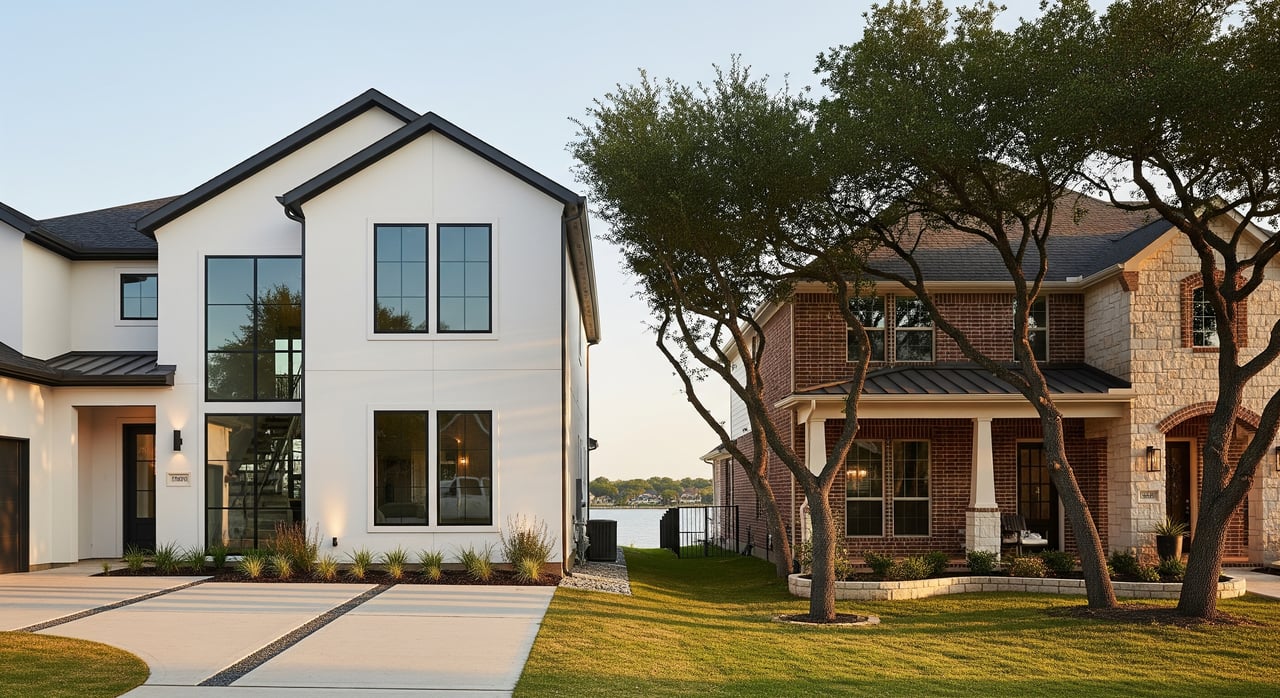
Stuck between building new or buying a resale home in Little Elm? You are not alone. With rapid growth around Lewisville Lake and a wide mix of neighborhoods, it can be tough to know which path fits your budget, timing, and lifestyle. In this guide, you will compare costs, timelines, maintenance, and key local factors like HOAs and flood risk so you can move forward with confidence. Let’s dive in.
Little Elm market context
Little Elm has expanded quickly as part of the greater DFW corridor. You will see active new-home communities alongside established neighborhoods with mature lots and a range of home ages. That variety gives you options, but it also means the right choice depends on your timing and total cost picture.
Because the town borders Lewisville Lake, some areas sit within mapped floodplains. Flood risk can influence insurance requirements, mortgage approvals, and long-term expenses. New neighborhoods may also be governed by municipal utility districts and HOAs, which affect fees, rules, and how communities develop over time.
New construction: what you gain
Advantages buyers value
- Customization and modern design. You can often select floorplans, finishes, and elevations.
- Lower early maintenance. New systems and materials can reduce repairs in the first years.
- Builder warranties. Many builders provide patterns like a 1-2-10 warranty structure. Confirm terms in your contract.
- Energy performance. Recent code standards typically support more predictable utility costs.
- Community amenities. Newer subdivisions often include trails, parks, and pools.
Potential drawbacks to plan for
- New-home premium. Base prices plus upgrades and lot premiums can add up.
- Build timeline risk. Weather, labor, and supply delays can shift your closing date.
- Price negotiation limits. You may find more flexibility on incentives than on base price.
- Neighborhood maturity. Landscaping, trees, and privacy often take time to develop.
- HOA and deed rules. Review guidelines on design, parking, and property use.
Financing, incentives, and appraisals
Builders often offer incentives like closing cost help or rate buydowns, sometimes tied to a preferred lender. Compare the net cost against quotes from outside lenders so you know the true value. Appraisals for new homes are usually supported by recent sales in the subdivision and by replacement cost, which can vary for unique lots.
Inspections and contracts
Arrange third-party inspections at key stages, such as pre-drywall and final walkthrough. Document punch-list items and understand how and when they will be addressed. Builder contracts in Texas vary, so have your agent and, if needed, an attorney review timelines, change orders, deposits, and warranty terms.
Resale homes: what you gain
Advantages buyers value
- Negotiation potential. You may find value where sellers are motivated or where a home needs updates.
- Faster closings. Move-in-ready homes can often close on a shorter timeline.
- Mature setting. Established landscaping and completed community amenities can appeal.
- Known operating costs. You can review recent taxes, utilities, and disclosures.
Potential drawbacks to plan for
- Maintenance and upgrades. Older systems may need repair or replacement in the near term.
- Condition unknowns. Inspections and permit checks help uncover hidden issues.
- Layout differences. Older floorplans may require remodeling to match today’s preferences.
Due diligence that protects you
Order a thorough inspection and review seller disclosures. Verify permits for past renovations and confirm floodplain status early. Use comparable sales to guide pricing and be prepared for appraisal discussions in a fast-moving market.
Costs: look beyond the sticker price
The purchase price is only one component. Compare the full picture over several years:
- New construction. Base price plus lot premium and upgrades, closing costs, HOA dues, and likely lower early maintenance. If you finance upgrades, consider how that affects your monthly payment.
- Resale. Purchase price minus negotiated concessions, near-term repairs or renovations, closing costs, HOA dues if applicable, plus taxes and insurance.
A multi-year cash-flow view helps you understand whether paying more upfront for a new home or investing in updates on a resale creates better value for your timeline.
Timing: how soon do you need to move?
If you need immediate occupancy, resale homes often win. If you can wait for construction and want specific finishes or a particular lot, new construction can be the right fit. If you are selling and buying at the same time, plan your sequencing to avoid costly overlaps. Options include contingency offers, temporary rentals, or bridge strategies.
Local factors: flood, HOAs, and land
- Flood risk. Proximity to Lewisville Lake means floodplain mapping matters. Flood status can affect insurance requirements and affordability, so verify early.
- HOAs and deed restrictions. Many new communities have design rules, fees, and amenity budgets. Review financials, reserves, rules, and any history of special assessments.
- Land and infrastructure. Drainage plans, MUDs, and local approvals influence build timelines and neighborhood development pace.
Appraisal and future resale outlook
Value over time is driven by fundamentals like location, lot characteristics, access to daily needs, and neighborhood supply and demand. New homes can command an initial premium, but appreciation depends on the desirability of the area and the home’s layout and condition over time.
A simple decision framework
Use these steps to choose your path with confidence:
- Define timing and must-haves. Decide whether immediate move-in or customization matters more.
- Build a 3-to-5-year cost view. Include maintenance, insurance, taxes, HOA fees, and likely improvements.
- Stress-test financing. Compare builder-lender incentives to outside quotes and confirm appraisal assumptions.
- Check site-specific risks. Verify flood status, drainage, and HOA rules before you commit.
- Inspect and verify. For new builds, schedule milestone inspections. For resales, inspect systems and confirm permits.
- Align buy-sell sequencing. If you are also selling, choose a strategy that reduces timing risk.
Checklists you can use
New construction buyer checklist
- Research builder reputation and speak with current owners.
- Review the builder contract, change-order process, and warranty documents.
- Confirm the build timeline, milestones, and remedies for delays.
- Verify drainage and floodplain status for the specific lot.
- Review HOA rules, fees, and budgets.
- Ask about energy ratings and typical utilities.
- Schedule third-party inspections at pre-drywall and final stages.
- Map your financing path and rate-lock strategy.
Resale buyer checklist
- Review seller disclosures and recent property tax history.
- Order a comprehensive home inspection and any needed specialist checks.
- Verify permits for past renovations with local records.
- Confirm floodplain status and review available utility history.
- Study comparables and days on market to inform your offer.
- Price out near-term repairs or planned updates.
Seller planning to buy new checklist
- Run net proceeds for selling now versus building, including carrying and interim housing costs.
- Evaluate market timing, inventory, and rate environment.
- Decide whether to sell first or build first, and plan contingencies.
How we guide your choice
You deserve clear, local advice that respects your budget and timing. Our family-led team helps you compare specific Little Elm options side by side, model total costs, and navigate builder contracts, inspections, and resale negotiations. Whether you want the control of a new build or the speed and character of a resale, we will help you move with confidence.
Ready to talk through your plan over coffee? Reach out to Hunter Realty Group to get started.
FAQs
In Little Elm, do new homes always cost more than resale?
- Not always. New homes often carry a premium for upgrades and new systems, but resale value depends on condition, lot, and market dynamics. Compare total costs, including near-term repairs.
Are builder incentives in Little Elm worth it?
- Sometimes. Incentives can lower closing costs or payments, but may require a preferred lender or limit negotiation leverage. Compare the net effect to outside lender options.
For a Little Elm new build, is one final inspection enough?
- No. Best practice is to hire an independent inspector at pre-drywall and again before closing to create a thorough punch list.
How does Little Elm flood risk affect buying and lending?
- If a property is in a mapped special flood hazard area, lenders typically require flood insurance, which affects affordability. Verify flood status early in your search.
What drives resale value more in Little Elm: newness or location?
- Location and lot characteristics often drive long-term value. Home condition and layout matter, but fundamentals like neighborhood demand and site attributes usually lead.