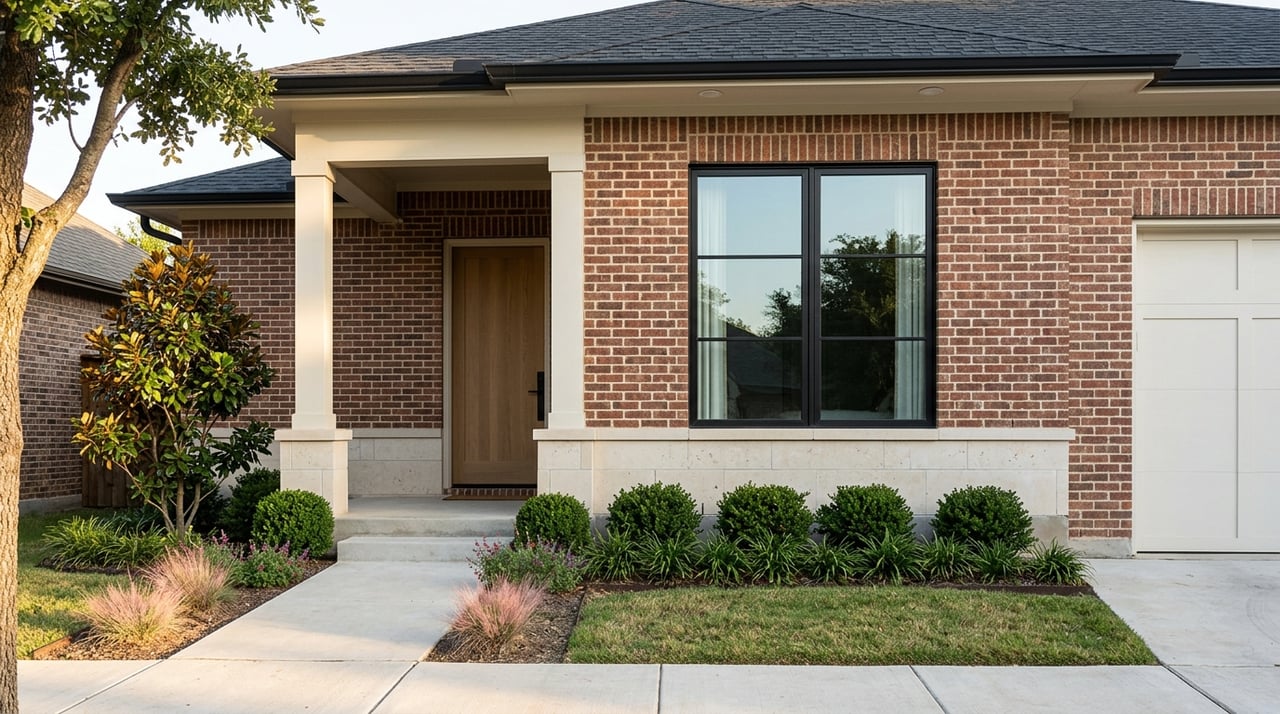
Trying to decide between the North Dallas suburbs and in-town Dallas? You are not alone. Many buyers weigh the same question: do you want more space and a subdivision layout, or easier access to urban neighborhoods, transit, and dense entertainment districts? The right answer depends on how you live day to day, and understanding the trade-offs can make your search much clearer. Let’s dive in.
Housing Options Feel Different
One of the biggest differences between in-town Dallas and the northern suburbs is the type of home you are most likely to find.
In-town Dallas offers a wider mix of housing. According to Visit Dallas neighborhood information, the core includes neighborhoods like Downtown, Uptown, West Village, Bishop Arts, Deep Ellum, Oak Lawn, the Design District, Fair Park, and the Dallas Arts District. That variety shows up in the housing stock too, with single-family homes, condos, duplexes, townhomes, and multifamily options all part of the landscape.
The north suburbs tend to feel more consistent. Plano’s housing and neighborhoods plan notes that single-family residential is preferred across a large share of residential land, and the city aims to preserve the suburban form of established neighborhoods. Frisco and McKinney planning documents also point toward subdivision-based living, with McKinney clearly distinguishing suburban lots under one-half acre from larger estate lots.
If you want a simple takeaway, it is this: in-town Dallas generally gives you more attached, older, and infill housing choices, while North Dallas suburbs more often lean toward detached homes, subdivision layouts, and larger yards.
Commute Patterns Can Shift Your Choice
Your daily drive, or your chance to avoid one, can heavily shape which area fits you best.
Dallas has the strongest transit network in this comparison. DART reports that its rail system includes 65 stations across Dallas and surrounding cities, and the M-Line Trolley connects parts of Uptown and Downtown. If you want a more car-light lifestyle, the urban core gives you the best shot at making that work.
Plano sits somewhere in the middle. DART’s Plano service overview highlights two light rail stations, bus transit centers, multiple bus routes, GoLink zones, and Silver Line regional connections. That makes Plano a more transit-friendly suburban option than many nearby cities, especially if you want some flexibility between driving and rail.
Frisco and McKinney are more road-first by comparison. The North Texas Tollway Authority notes that the Dallas North Tollway runs through Dallas, Plano, Frisco, and Prosper, and has been widened in Frisco. In McKinney, official transit is more limited and includes on-demand shared rides for eligible riders plus a downtown trolley, which is very different from a rail-based commute environment.
If your top priority is reducing time in the car, in-town Dallas usually stands out first, with Plano as a middle-ground option. If you are comfortable planning around driving, toll roads, and commuter routes, Frisco and McKinney may still be strong fits.
Lifestyle Access Is Built Differently
Both in-town Dallas and the northern suburbs offer things to do, but they deliver that lifestyle in different ways.
In-town Dallas stands out for density and range. Visit Dallas highlights active areas such as Downtown, Uptown, West Village, Bishop Arts, Harwood, Trinity Groves, Lower Greenville, the Design District, Fair Park, and the Dallas Arts District. The same source notes that the Dallas Arts District spans 118 acres, making it the largest urban arts district in the nation.
The suburbs offer strong lifestyle hubs too, but they are more spread out. Frisco Square is a managed mixed-use district that hosts annual events and maintains shared public areas. Frisco also points to The Star and a large recreation system, while Plano promotes four walkable districts and a lively arts and nightlife scene. McKinney is well known for its historic downtown, downtown tours, trolley access, and free parking near the square.
So the real trade-off is not whether there is anything to do. It is how close together those experiences are. In-town Dallas gives you more neighborhoods packed closely together. The suburbs offer established destinations, but they are typically more distributed and often easier to reach by car.
Maintenance Looks Different Too
A home’s upkeep is not just about square footage. It often comes down to age, lot size, and who sets the rules.
Dallas has a large older housing base. The City of Dallas code compliance department says pre-1970 homes make up 38% of the city’s housing stock, and inspectors handle a high number of service requests each year while inspecting roughly 10,000 single-family properties annually. For buyers, that can mean more variation from block to block and a higher chance that an older property may need ongoing repairs or updates.
In the northern suburbs, maintenance often shifts in another direction. Frisco says it has nearly 150 HOAs and promotes neighborhood upkeep through its neighborhood programs. Frisco Square’s POA also manages common-area maintenance, which reflects a more structured approach to exterior standards in some suburban communities.
That means your maintenance trade-off may look like this:
- In-town Dallas may bring more age-related repairs and city code sensitivity
- North Dallas suburbs may bring more yard work, HOA expectations, and exterior consistency standards
Neither is automatically better. It depends on whether you prefer flexibility and older-home character or a more managed neighborhood environment.
How to Think About Space
Space means more than square footage inside the home. It also includes your lot, your privacy, and how your neighborhood is laid out.
The north suburbs generally have the edge if you want larger yards and more detached-home options. Planning guidance from cities such as Plano and McKinney supports a more suburban development pattern, with detached homes and neighborhood layouts that center on lots, streets, and community design rather than dense infill.
In-town Dallas may still offer single-family homes, but the mix is broader and often more compact. Zoning and development patterns in the city support smaller lots, townhomes, condos, and multifamily housing, especially in more central areas. That can be appealing if you want location and access more than yard size.
A helpful question to ask yourself is this: Do you want your home to be the destination, or your location to be the advantage? If you picture backyard space, subdivision streets, and room to spread out, the suburbs may align better. If you picture easier access to restaurants, arts, nightlife, and transit, in-town Dallas may feel more natural.
A Quick Side-by-Side View
| Factor | In-Town Dallas | North Dallas Suburbs |
|---|---|---|
| Housing mix | More condos, townhomes, duplexes, infill, and older homes | More detached homes and subdivision layouts |
| Yard size | Often smaller on average | Often larger on average |
| Transit access | Strongest overall DART access and trolley connections | Plano offers transit options; Frisco and McKinney are more drive-oriented |
| Entertainment pattern | Dense, close-together neighborhoods and districts | Strong destination hubs spread across multiple cities |
| Maintenance | More age-related upkeep and code sensitivity in older areas | More HOA rules, landscaping, and exterior standards in many communities |
Which Option Fits Your Priorities?
If you are drawn to walkability, urban energy, and a wider range of housing types, in-town Dallas may be the better fit. It offers more opportunities for a car-light lifestyle and easier access to clustered entertainment districts.
If you want a detached home, a more traditional subdivision setting, and potentially more yard space, the North Dallas suburbs may be the stronger match. That is especially true if you are comparing places like Plano, Frisco, or McKinney and you are comfortable with a more drive-oriented routine.
For many buyers, the choice comes down to how they want everyday life to feel. Do you want the convenience of being close to many destinations, or the comfort of more space and a suburban neighborhood pattern? Once that answer is clear, the home search usually gets easier.
If you are weighing Frisco, Plano, McKinney, or other communities along the North Dallas corridor, the team at Hunter Realty Group can help you compare neighborhoods, commute patterns, and home styles with a local, high-touch approach. If you are ready to talk through your options, Let’s Get a Coffee.
FAQs
Which area is better for a car-light lifestyle in Dallas?
- In-town Dallas is the strongest option for a car-light lifestyle because it has the broadest DART rail access and trolley connections, while Plano offers a middle-ground transit option and Frisco or McKinney are generally more driving-oriented.
Which area is more likely to have larger yards near Dallas?
- The North Dallas suburbs, especially communities with subdivision-based development patterns like much of Plano, Frisco, and McKinney, are generally more likely to offer larger yards and detached homes.
Which area has more housing variety: in-town Dallas or the suburbs?
- In-town Dallas generally has more housing variety, including condos, townhomes, duplexes, multifamily properties, and single-family homes across a range of neighborhood settings.
Which area may require more home maintenance around Dallas?
- In-town Dallas can involve more repair and reinvestment due to older housing stock, while North Dallas suburbs often shift upkeep toward lawn care, HOA standards, and neighborhood exterior expectations.
Which area has more entertainment nearby in Dallas?
- In-town Dallas has the advantage in density, with many active neighborhoods and arts districts close together, while the northern suburbs offer strong entertainment destinations that are more spread out across different cities.