Thinking about a move to Coppell? If you want a North Texas suburb with solid commuter access, everyday conveniences, and a real sense of local connection, Coppell often makes the shortlist for good reason. Before you decide where to rent or buy, it helps to understand how the commute feels, where daily errands are easiest, and what the community is actually like on the ground. Let’s dive in.
Why Coppell draws relocators
Coppell sits in a strategic spot within the Dallas-Plano-Irving area, and that location shapes much of its appeal. It is about 5 miles northeast of DFW Airport, which makes it especially attractive for transferees, frequent flyers, and professionals who want easier regional access.
It is also a mid-sized suburb, with roughly 42,000 to 43,000 residents depending on the source and timeframe. That size gives you a balance many buyers want: enough services and amenities to make daily life convenient, without feeling as sprawling as some larger suburban areas.
For many households, Coppell works best as a practical home base. You get a suburban setting with strong access to major employment areas, while still having places within the city that feel more local and community-centered.
Commute in Coppell: what to expect
If commute is one of your top priorities, Coppell offers a strong starting point. Census data reports a mean travel time to work of 24.6 minutes, which gives you a useful baseline when comparing it to other North Texas suburbs.
That said, your actual commute will depend on where you live in Coppell and where you need to go. A trip toward the airport or Irving corridor may feel very different from a drive toward downtown Dallas or the Plano-Richardson side of the metro.
Coppell is still largely car-oriented
For most residents, daily life in Coppell still revolves around driving. Nearly half of households have two vehicles, 19.80% have three or more, and only 2.52% have none, which reflects a very car-first suburban pattern.
That matters if you are relocating from a more transit-heavy city. In Coppell, a car will still be the easiest way to handle most errands, activities, and work trips, even if some transit options are improving.
The Silver Line adds another option
The DART Silver Line now runs through Coppell as a 26-mile regional rail service connecting Grapevine, Coppell, Dallas, Carrollton, Addison, Richardson, and Plano, along with DFW Airport Terminal B. DART announced passenger service for October 25, 2025.
For some buyers, that is a meaningful advantage. It creates another way to think about commuting and airport access, especially if you want more flexibility than a purely car-dependent routine.
Still, it is best to view rail as an added tool rather than a total replacement for driving. Coppell remains a suburban market where most households rely on vehicles for everyday movement.
Airport access: a real perk with a trade-off
One of Coppell’s clearest advantages is how close it is to DFW Airport. If you travel often for work, host out-of-town family, or simply want simpler access for flights, this location can make daily planning easier.
But airport proximity comes with a trade-off you should consider before choosing a neighborhood. The city notes that periodic airplane traffic and noise are part of life in Coppell, and the west side of the city sits under flight paths.
Which parts of Coppell may feel noisier?
According to the city, some neighborhoods on the west side may experience more aircraft noise. Since DFW Airport operates 24 hours a day, 7 days a week, this is not a detail to brush aside if noise sensitivity is high on your list.
If you are relocating from outside the area, this is one of the smartest things to test in person. Visiting at different times of day can help you compare how a neighborhood feels, especially if you are deciding between convenience to the airport and a quieter setting.
Daily conveniences in Coppell
Convenience is one of Coppell’s strongest selling points. For a suburb of its size, it has a notably dense base of retail, dining, and services, with more than 500 businesses and 82 restaurants in the city.
That means many everyday needs can be handled close to home. Whether you are running errands, grabbing dinner, or fitting in a stop between work and home, Coppell offers a lot of practical ease.
Where commercial activity is concentrated
The city says major business and commercial districts are clustered on the west side and along the Denton Tap-Sandy Lake corridors. If easy access to shops, restaurants, and services matters to you, these areas are worth paying attention to during your home search.
For relocators, this can make the transition smoother. Being near the places you use most often can shorten drive times and help a new city feel easier to learn.
Old Town offers a different feel
If you want the most walkable and community-focused area in Coppell, Old Town stands out. The city describes it as a walkable, vibrant gathering place with homes, businesses, restaurants, and a town square.
It is also home to the Coppell Farmers Market, which adds to its role as a local hub. In a suburb that is otherwise fairly conventional in its layout, Old Town offers a more classic small-town atmosphere.
Community life in Coppell
Some suburbs are convenient but feel disconnected. Coppell appears to offer more than just location and errands, with public amenities and volunteer participation playing a visible role in local life.
That can matter a lot when you are relocating. A place feels easier to settle into when there are clear spaces and routines that help you plug in.
Parks, trails, and recreation
Coppell’s park system includes 17 parks across 545 acres. Residents also have access to about 23.2 miles of multi-use hike-and-bike trails, a 1.1-mile decomposed-granite running trail, and 5 miles of preserved nature trails.
For many buyers, these amenities support the day-to-day lifestyle side of a move. They give you options for exercise, fresh air, and casual time outdoors without needing to leave the city.
The CORE adds another layer of convenience with a city recreation center that includes fitness, aquatics, rentals, classes, and extended hours. If you value having organized recreation close to home, that is a practical advantage.
Library and community spaces
The Cozby Library and Community Commons offers more than books. The city says it includes spaces for work, study, meetings, and presentations, which can be useful if you work remotely, need quiet space, or want a flexible community resource.
Amenities like this often become more important after a move than people expect. They help support everyday routines while giving you another way to feel connected to where you live.
A community that shows up
Coppell also has a strong pattern of civic participation. The city highlights the Coppell Community Garden, Coppell Farmers Market, and Keep Coppell Beautiful, and reports that more than 6,000 volunteers contribute almost 14,000 service hours annually.
That kind of participation suggests a community where residents are actively involved in local life. If you are looking for a suburb with visible engagement, that is a meaningful signal.
Housing in Coppell: what buyers should know
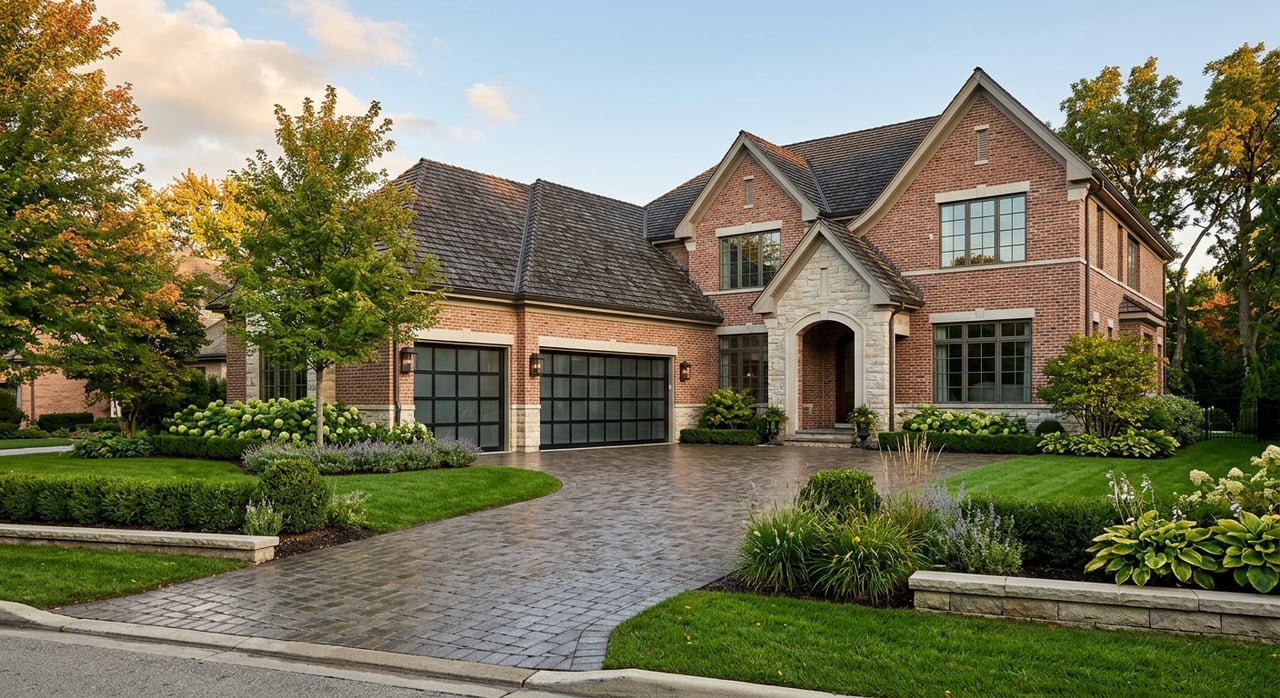
If you are relocating to Coppell, the housing mix will likely feel familiar if you are targeting a suburban single-family home. City data shows that 74.38% of housing structures are single-unit, and 67.89% of housing is owner-occupied.
In simple terms, Coppell is still primarily a single-family, owner-occupied market. That aligns well with buyers who want a more traditional suburban setup with detached homes as the dominant option.
There are rental options too
Coppell is not only for buyers who are ready to purchase right away. The city reports 9 apartment facilities and 2,831 apartment units, which creates meaningful rental inventory for people who want to relocate first and buy later.
That can be especially helpful if you want time to learn traffic patterns, compare different parts of town, or get a better feel for your daily routine before making a purchase.
Home ages and neighborhood feel vary
Coppell’s housing stock spans several eras. About 39.93% of units were built in 1989 or earlier, 37.32% were built from 1990 to 1999, and 22.75% were built in 2000 or later.
That range can create different neighborhood experiences depending on what you want. Some buyers may prefer more established areas, while others may focus on homes from later construction periods.
Old Town adds another option with more compact single-family homes in a more walkable setting. If lifestyle and location matter as much to you as square footage, that area may be worth a closer look.
Pricing requires context
Public pricing snapshots for Coppell vary by source and timeframe, so it is better to think in ranges than lock onto one number. The city’s 2025 demographic profile lists a median home value of $623,780, while Census data for 2019 through 2023 reports a median owner-occupied value of $525,300.
The Census also notes that methodology differences mean these figures are not directly comparable. For you as a buyer, the main takeaway is that Coppell sits in a higher-value suburban segment, and neighborhood-level guidance matters when you start comparing homes.
Is Coppell a good fit for your move?
Coppell tends to fit buyers who want suburban single-family housing, practical access around the metro, and a city that offers more than just rooftops and roads. Its location near DFW Airport, broad service base, parks, trails, and active community resources make it appealing for many relocators.
At the same time, it helps to go in with clear expectations. Coppell is still largely car-oriented, and airport noise may be more noticeable in some western areas.
If you are comparing North Texas suburbs, Coppell is often strongest for people who value commuter convenience and everyday livability in the same place. The key is matching the right part of the city to your work patterns, noise preferences, and housing goals.
When you are ready to explore Coppell with a local, high-touch approach, Hunter Realty Group can help you narrow your options and move forward with confidence.
FAQs
What is the typical commute like in Coppell, TX?
- Census data reports a mean travel time to work of 24.6 minutes, though your actual commute will depend on your neighborhood and where you work in the metro.
Can you live in Coppell, TX without a car?
- Coppell has improving rail access through the DART Silver Line, but it remains a largely car-oriented suburb where most households rely on one or more vehicles.
Which part of Coppell, TX is most walkable?
- Old Town is the city’s clearest walkable core, with homes, businesses, restaurants, and a town square area that serves as a community gathering place.
Does Coppell, TX get airplane noise?
- Yes. The city notes that periodic airplane traffic and noise are part of life in Coppell, and neighborhoods on the west side may experience more impact because they sit under DFW flight paths.
What kind of homes are common in Coppell, TX?
- Coppell is primarily a single-family home market, with most housing in single-unit structures, plus some apartment options for renters and relocators who want flexibility.
Does Coppell, TX have good community amenities?
- Coppell offers 17 parks, 545 acres of parkland, more than 23 miles of multi-use trails, a recreation center, a library and community commons, and several community participation programs and events.